
Shop levels and unlocks: the whole ladder
Shop Level gates ingredients and equipment, money buys size and comfort. Expansion unlocks at Lv.10, drinks at Lv.25, and the Day-1 Tantanmen content at Lv.26 (Lv.28 for beef-broth Tantanmen orders).
Shop Level is the spine of Japanese Ramen Simulator: it decides which ingredients, tools and orders exist for you at all, and the money you earn decides how big a shop they live in. Both bars move every day — this page is the whole ladder as the launch build draws it.
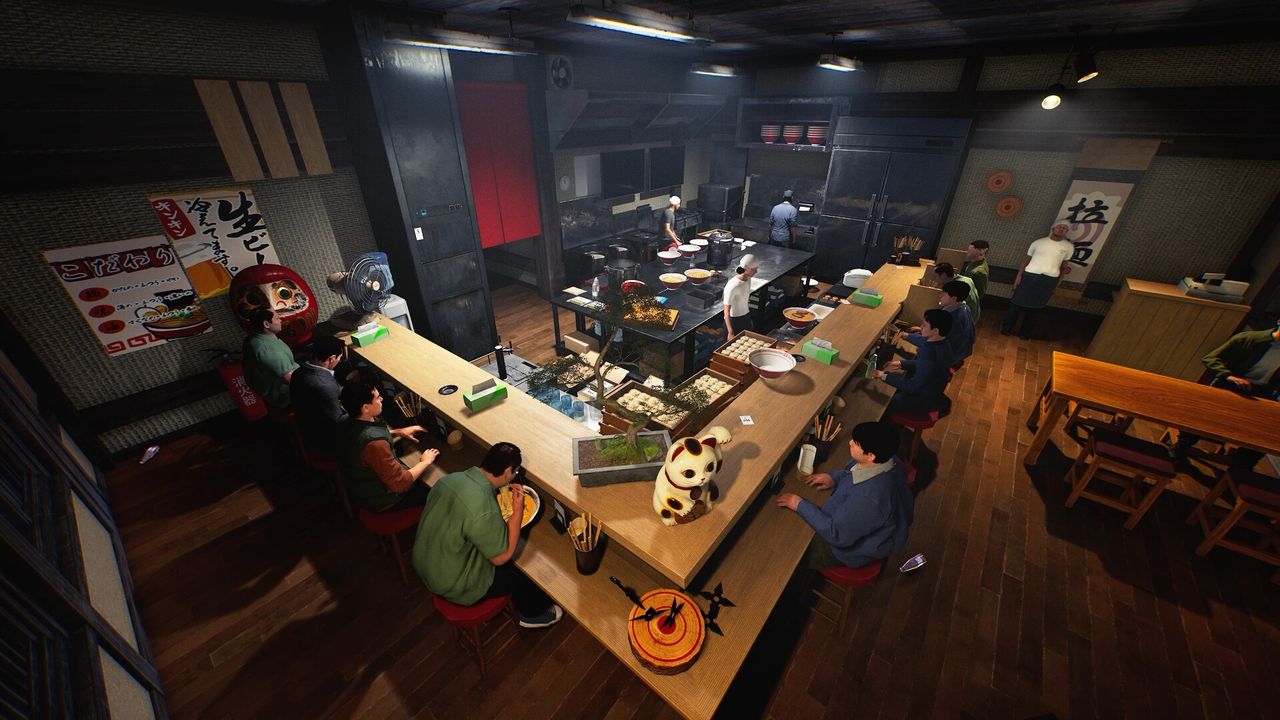
A working counter. Every step on the ladder makes this room busier — and more expensive to run.
How you actually level
Shop Level rises from doing the job: serving orders, cleaning, and completing the objective checklist. You do not buy levels. XP flows from a good service and from the tutorial-chain objectives early on, and levels pop during or after business days. The first five levels come fast — the achievement for reaching level 5 is already unlocked by two-thirds of players — so treat the early ladder as onboarding, not progression.
The unlock ladder
These rungs are the ones we can point at directly, either from the Day-1 patch notes or from clear in-game reporting:
| Level | What it brings |
|---|---|
| Lv.5 | Early equipment tier — kitchen knife, chopping board upgrades, drink prep (Humble Beginnings achievement) |
| Lv.10 | Shop expansion unlocks — the first real estate upgrade (Room to Dream) |
| Lv.15 | Mid-tier unlocks and a wave of new purchase options (The Talk of the Town) |
| Lv.20 | Top-tier shop identity: A Legendary Ramen Shop |
| Lv.25 | Drinks — cola, soda, oolong and barley tea purchases and orders move here; Bonito Flakes become purchasable |
| Lv.26 | Tantanmen and Garlic Chives — Tantan Tare and chives go on sale; chicken/pork-broth Tantanmen orders start |
| Lv.28 | Beef-broth Tantanmen orders |
Level gates vs money gates
The two currencies in play are XP and cash, and they gate different things:
- Level gates hold back catalogues: new ingredients, recipes, equipment types and order complexity. No amount of money buys a Tantan Tare before Lv.26.
- Money gates hold back capacity: expansion construction, furniture, extra cooking stations, storage, decor, and staff wages.
In practice that means the strongest move most sessions is boring: keep the catalogue moving (serve, clean, hit your checklist) and spend cash only on what the current level can actually run. A bigger dining room is worthless if you cannot cook fast enough to fill it.
Expansion and what it changes
Shop expansion is the Lv.10 milestone, and it is where a run stops feeling like a stall and starts feeling like a restaurant. The expansion kit is bought through the computer and installed in the shop; plan the layout before you buy, because equipment placement is free-form and a bad kitchen becomes a permanent obstacle course. Plenty of players rebuild after their first expansion — budget a little cash for rearranging.
Staff: the other progression track
Hiring part-time staff is how you convert cash into throughput. Staff take stations — register, noodle boiling, dish clearing — and each wage is a running cost rather than a purchase. The Day-1 update made dish-clearing staff dramatically more useful: they now collect empty bottles from vacated seats and store trays top-slot first. If your bottleneck is the sink, that is a hiring decision, not a skill issue.
A sane first week of spending
- Through Lv.5: buy nothing you do not serve. One broth line, thin noodles, the standard topping set.
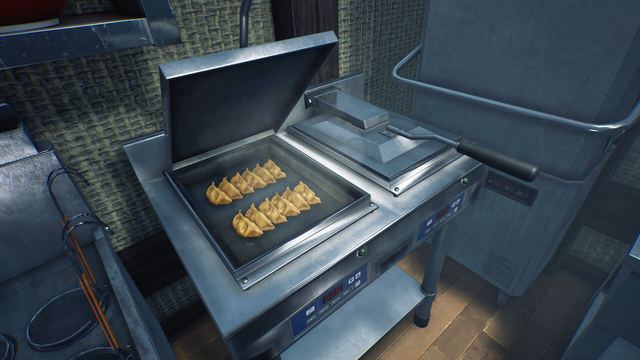
- Lv.5–10: add one drink line and one side (gyoza is the classic) to raise ticket averages.
- At Lv.10: expand once you can staff or solo the flow — not because the level said so.
- Lv.15+: upgrade stations before decor. Ambience sells bowls, but only if they arrive hot.
- Lv.25+: the drinks and Tantanmen tiers land back-to-back; have cash parked, because the catalogue moves faster than your savings will.
The long tail
Lv.20 is the last visible rung for the shop-identity achievement, but levels keep climbing — each one restocks the purchase computer. Chasing the rarer achievements? This ladder feeds straight into Money and Boss customers.
More guides12
 Basics
Your first shift: getting started in Japanese Ramen Simulator
 Cooking
Cooking and menu: broth, noodles, toppings
 Money
MoneyMoney: where it comes from and where it goes
 Co-op
Co-opSix-player co-op: setup, roles and connection fixes
 Events
Boss customers, thieves and fires
 Completion