
Cooking and menu: broth, noodles, toppings
Make the broth before opening, keep noodle firmness matched to each order, and assemble in bowl order: tare, broth, noodles, toppings. Beer is scored on liquid plus foam — under 70% fill triggers a penalty since the Day-1 patch.
A bowl in Japanese Ramen Simulator is scored on four things at once — noodle texture, soup temperature, aroma/umami, and how long the customer waited — so "cooking" here is really a small production line. This page is how the line runs, item by item.
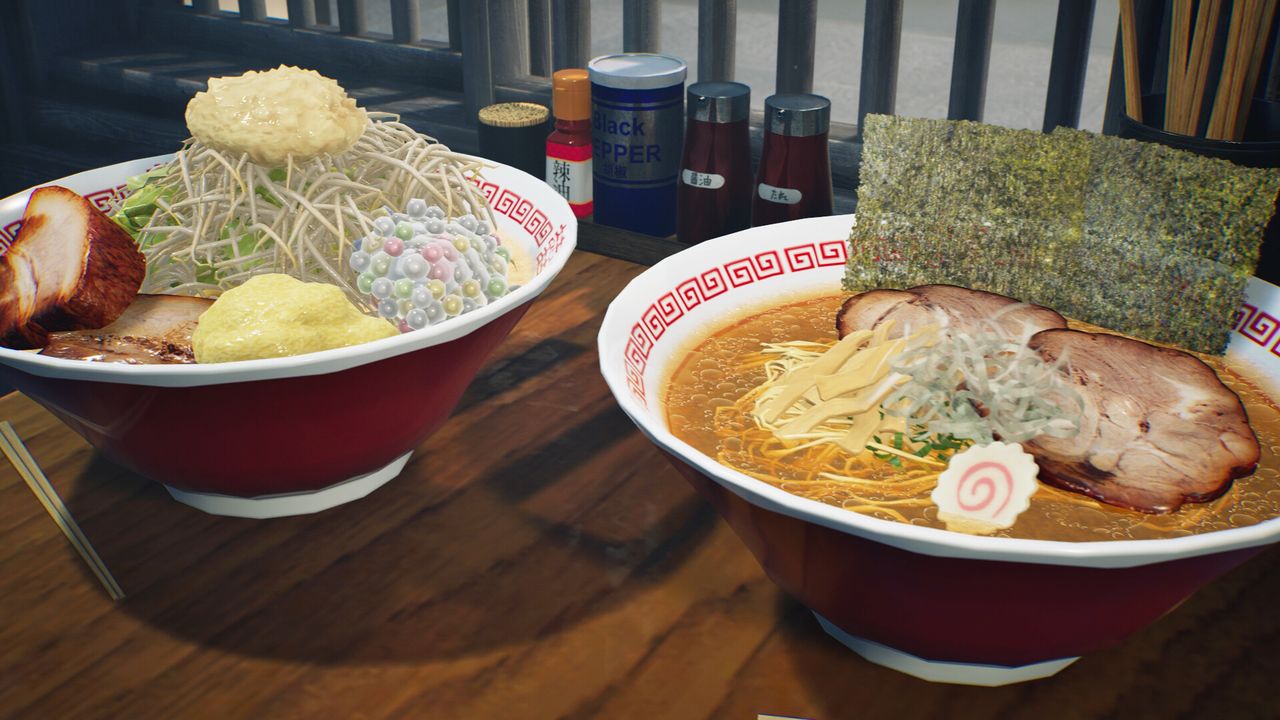
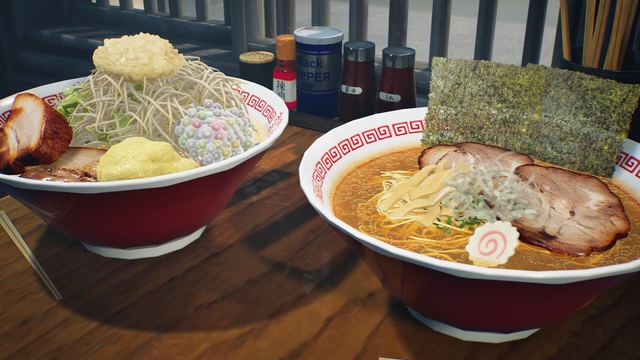
Two finished bowls with the condiment rail. Bowl order matters: tare first, then broth, then noodles and toppings.
Broth: the clock that runs your day
Broth is made ahead in large pots and ladled per bowl — pork bones for tonkotsu-style richness, whole chicken for a cleaner body, kombu kelp and bonito flakes for the umami base. The practical routine:
- Start broth before you open; it takes real cooking time, not a button press.
- Keep a second pot in rotation once volume ramps up. Running dry mid-rush is the most common first-week disaster.
- Bonito Flakes are purchasable from Lv.25 in the launch build; Tantan Tare arrives at Lv.26.
- A bowl built on Tantan Tare alone earns a comment — the game nudges you to blend it, like a real tantanmen.
Noodles: firmness is a spec, not a vibe
Noodle texture is one of the scoring dimensions, and orders specify it — soft, normal or firm. The line: fill a basket, drop it in the boiler, watch the gauge, pull and drain. Overcooked noodles land in the bowl as a wrong order even if everything else was right. Two habits that pay:
- Start the next basket before serving the current bowl when the queue is deep.
- Keep thin noodles in stock — they are the default for most early orders.
Tare and seasoning
Tare is the flavour concentrate that goes in before the broth. The Day-1 update lets you carry up to five tare bottles at once (but hold only one when pouring), and stacked bottles now show the top item's remaining amount — so you can see what you are about to grab. Keep a spare tare line in the fridge; running out silently downgrades every bowl you serve.
Toppings: the checklist in the panel
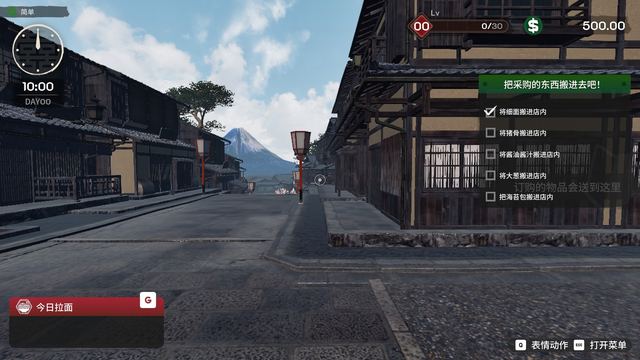
"Today's Ramen" lists the topping set you are serving; tickets ask for variations as your shop levels. The core rail runs: chashu (pork), ajitama (marinated egg), menma (bamboo shoots), nori, green onion, cabbage, bean sprouts — with Garlic Chives and Bok Choy orders arriving from Lv.26 per the Day-1 notes. Two rules of the plating physics:
- Place toppings so they sit, don't sink. Overflowing bowls tip in transit.
- Cut and prep in batches. Seconds saved per bowl are minutes saved per rush.
The sides: gyoza, rice bowls, beer
- Gyoza — cooked on the dedicated grill, twelve at a time, and watched for browning. Serving gyoza earns its own achievement (Seared to Perfection, 27.5% of players have it).
- Rice bowls — your ramen prep ingredients go over rice for dishes like Char Siu Don; same ingredients, second menu line.
- Beer — the mug is scored on liquid plus foam. Since the Day-1 patch, filling under 70% of capacity carries a rating penalty, and serving without foam draws a warning comment (no penalty by itself). Pour down the side, let the foam build to the line, serve.
Equipment that changes the kitchen
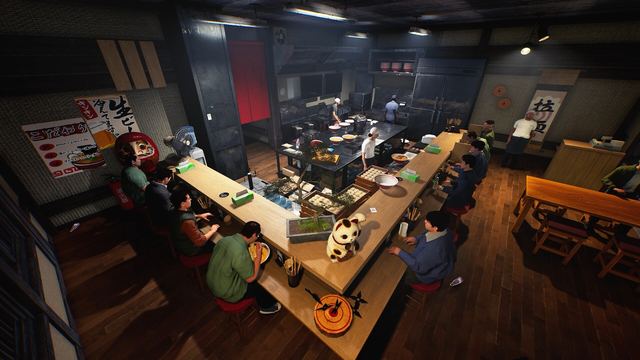
The catalog also includes tooling that alters how the line feels: the dishwasher (load dirty dishes, wash in batches), the staff noodle boiler (lets a hired cook run the pots), rice cookers, beer dispensers and the gyoza grill. Upgrade order that works for most shops: cooking throughput first (boiler, second broth line), washing capacity second (dishwasher), then display and storage.
Good bowl, good rating
A clean serve is: correct recipe, correct firmness, hot soup, right toppings, reasonable wait. You can serve a "perfect" bowl with two toppings and still earn a top rating; you cannot serve a sloppy bowl with six and keep the regulars. Skill here compounds into money — every saved step is an extra cover per hour.
More guides12
 Setup
SetupSystem requirements, settings and accessibility
 Verdict
Is Japanese Ramen Simulator worth it?
 Tips
TipsTen things to fix before day three
 Basics
Your first shift: getting started in Japanese Ramen Simulator
 Progression
Shop levels and unlocks: the whole ladder
 Money
Money